Understanding Climate Zone 3A and Fort Smith's Unique Humidity Challenge
Fort Smith sits squarely in IECC Climate Zone 3A, a region characterized by hot, humid summers and mild winters. This classification matters far more than most homeowners realize when it comes to insulation decisions. Unlike drier climates where traditional fiberglass batts perform adequately, Fort Smith's moisture-laden air creates an environment where conventional insulation materials struggle to maintain their effectiveness and structural integrity.
The humidity in Climate Zone 3A averages between 60 and 75 percent year-round, with summer months pushing even higher. This persistent moisture doesn't just make the air feel sticky; it infiltrates walls, attics, crawl spaces, and the areas around piers and beams. When fiberglass or cellulose insulation absorbs this moisture, it loses R-value, becomes a breeding ground for mold and mildew, and can eventually compromise the wood framing it's meant to protect. This is where spray foam insulation offers a fundamentally different approach that aligns with regional climate realities.
Why Crawl Space Insulation Requires Special Attention in Fort Smith
Crawl spaces represent one of the most vulnerable areas in any home, and in Fort Smith's humid climate, they become a primary battleground against moisture intrusion. Traditional crawl space insulation methods like fiberglass batts or foam board are installed between floor joists, leaving gaps and seams where humid air can bypass the barrier entirely. Over time, this moisture accumulates, creating conditions perfect for rot, mold growth, and structural decay that can affect your entire home's foundation.
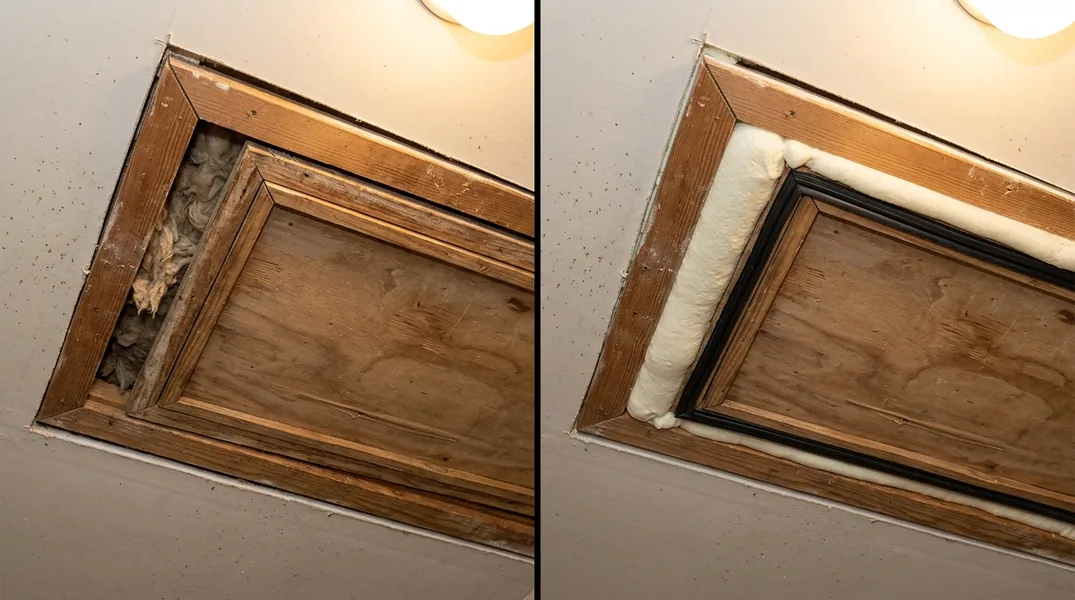
Closed Cell Spray Foam Insulation transforms crawl space protection by creating an airtight, continuous seal across every surface. Unlike traditional materials, spray foam expands to fill cracks, cavities, and irregular spaces where moisture would otherwise find entry points. The closed-cell structure actually repels water rather than absorbing it, meaning your crawl space remains dry even during the humid Arkansas summers. For homeowners asking what the best insulation for crawl space applications looks like, closed-cell spray foam consistently outperforms alternatives in moisture-prone regions.
Crawl Space Spray Foam vs. Traditional Materials: The Climate Zone 3A Difference
When comparing crawl space spray foam to traditional insulation options, the differences become especially pronounced in humid climates. Fiberglass batts, the most common choice in older homes, can absorb up to 50 percent of their weight in moisture before visible damage occurs. By that point, however, the insulation has already lost significant R-value and begun supporting microbial growth. Foam board offers some improvement but still requires careful sealing at seams and edges, a process that's difficult to execute perfectly in the irregular geometry of most crawl spaces.
Spray foam, by contrast, is applied as a liquid that expands and hardens into a monolithic barrier. There are no seams to seal, no gaps where humid air can penetrate, and no material that will degrade when exposed to moisture. In Climate Zone 3A, where humidity is essentially a permanent atmospheric condition rather than a seasonal concern, this fundamental difference means your insulation investment maintains its performance year after year. Homeowners also notice that crawl spaces treated with spray foam stay noticeably warmer in winter and cooler in summer, translating to reduced heating and cooling costs and improved comfort throughout the home.
Pier and Beam Insulation: Addressing Cold Floors in Fort Smith Homes
Many homes in Fort Smith and surrounding areas use pier-and-beam (also called post-and-beam) foundations rather than concrete slabs. These elevated foundations offer excellent protection from flooding and allow for easy access to plumbing and electrical systems, but they create a significant insulation challenge. The open space beneath the home acts like a giant air duct, drawing in cold outdoor air during winter and allowing conditioned air to escape. For residents dealing with cold floors insulation problems, the solution typically lies in properly insulating this underfloor cavity.
Traditional pier and beam insulation approaches involve installing fiberglass batts between the floor joists, often with plastic vapor barriers stapled to the bottom. In Climate Zone 3A's humid environment, this method creates a problematic scenario: moisture gets trapped between the insulation and the floor structure, leading to wood rot and reduced insulation effectiveness. Spray foam solves this problem by adhering directly to the underside of the floor and creating a sealed thermal envelope. The material prevents air infiltration while allowing any incidental moisture to dry rather than accumulate, protecting both the insulation's performance and your home's structural integrity.
The Science Behind Closed Cell Spray Foam in Humid Climates
Closed Cell Spray Foam Insulation works differently at the molecular level than traditional materials, which explains its superior performance in humid environments. The foam's structure consists of tiny, sealed cells filled with gas that provide both insulation and a moisture barrier. The closed-cell design means water vapor cannot pass through the material, creating what's known as a vapor-impermeable layer. This is critical in Climate Zone 3A because it stops humid air from migrating into wall cavities, attics, and crawl spaces where it would otherwise condense and cause damage.
The R-value of closed-cell spray foam typically ranges from 6.0 to 7.0 per inch, making it one of the most efficient insulation materials available. In humid climates, however, the real value extends beyond the R-rating. Because the material maintains its structural integrity and doesn't absorb moisture, it delivers consistent performance throughout its lifespan. Many homeowners in Fort Smith find that spray foam insulation installed 15 to 20 years ago still performs at nearly original specifications, while traditional insulation installed in the same timeframe has degraded significantly due to humidity exposure.
Getting Your Fort Smith Home Evaluated: Next Steps and Professional Guidance
If you're concerned about moisture in your crawl space, cold floors, or inadequate insulation performance in your Fort Smith home, a professional assessment is the logical first step. Experienced spray foam contractors can evaluate your specific situation, identify moisture sources, and recommend whether Closed Cell Spray Foam Insulation, Open Cell Spray Foam Insulation, or another solution makes sense for your climate zone and home configuration. The team at Fort Smith Spray Foam Insulation specializes in Climate Zone 3A applications and understands the specific challenges that humidity poses to residential structures.
Understanding your pricing options upfront helps with planning. While spray foam typically costs more per square foot than traditional insulation, the long-term energy savings, improved comfort, and protection against moisture damage often make it the more economical choice over a home's lifetime. Contact Fort Smith Spray Foam Insulation at (479) 415-0861 to schedule a free estimate and learn exactly how spray foam can address your home's insulation needs. Our team will walk you through the options, explain how Climate Zone 3A humidity affects your specific spaces, and provide a clear picture of what to expect from your investment.
Looking for a professional spray foam insulation contractor in Fort Smith? Fort Smith Spray Foam Insulation responds fast for all your spray foam insulation needs.
Get a Free Quote